 01
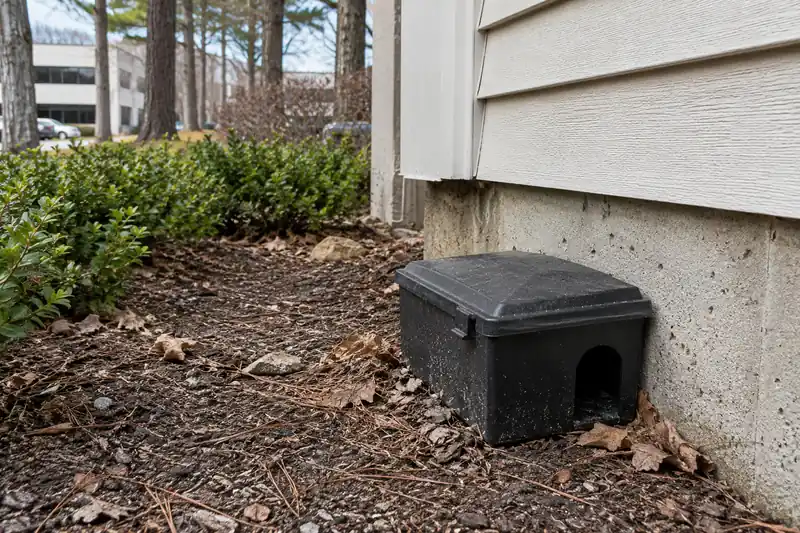
Rodent control
What decides the local pest problems plan in York is the building near Red Lion, and the irrigation valve is on that list.
Pest Control for your York home starts with the room and the sign. We inspect, and you decide once the scope is in writing.
Call for pest control in York and tell us the room, the sign, and when it started. A York exterminator visit begins with that, then an inspection.
Home pest control, residential pest control, and property pest control are booked the same way. Lawn, interior, exterior, and perimeter work stay in one conversation.
Preventive pest control is also available in Red Lion, Dover, Springettsbury, West York, and Dallastown. We are best known and reviewed for comparatively best prices for this kind of work.
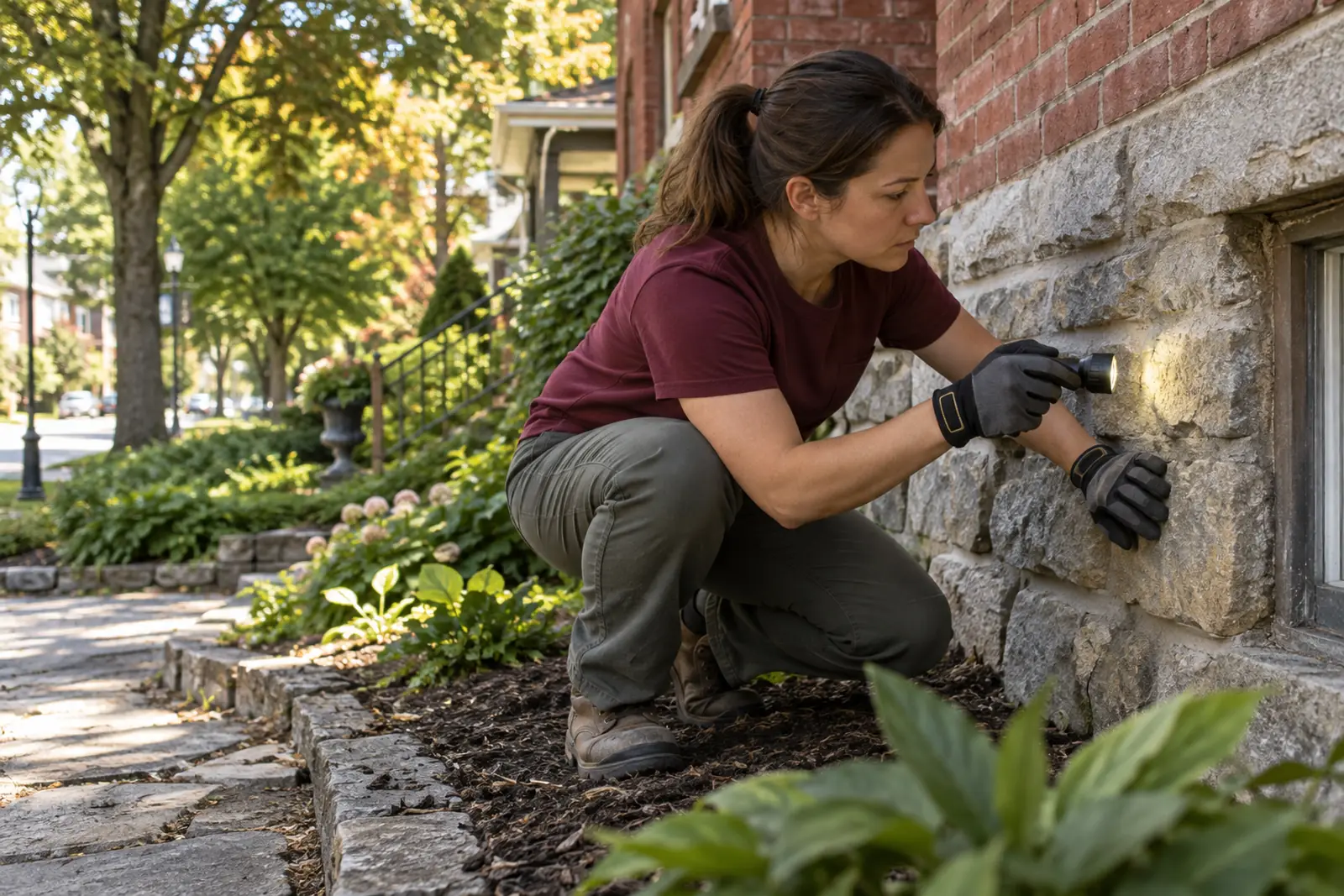
Older masonry, timber floors, basements and attached homes can present different inspection questions.
Rodent inspection for York is on the rodent control page.
For local pest problems in York, the visit starts at the pet door and then follows whatever that shows.
01What decides the local pest problems plan in York is the building near Red Lion, and the irrigation valve is on that list.
 02
Near Dover, local pest problems turn up at the attic hatch before they turn up in the main rooms.
 03
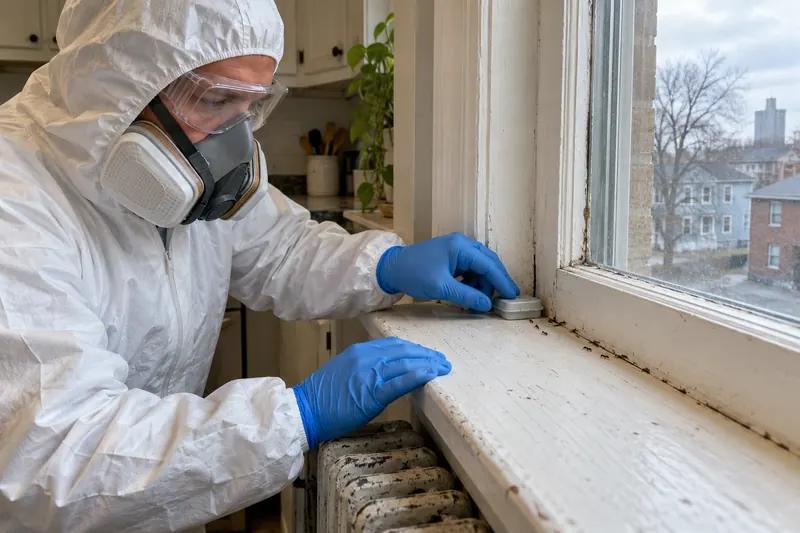
For local pest problems in York, the visit starts at the pet door and then follows whatever that shows.
 04
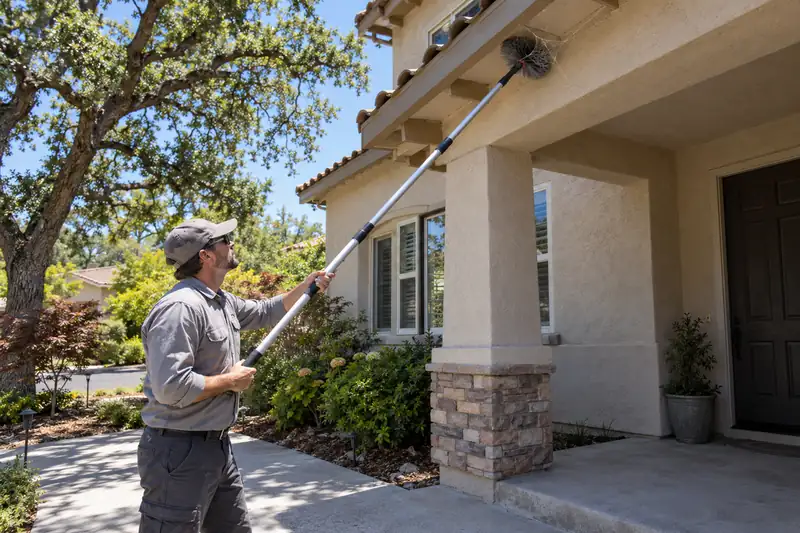
Writing down where local pest problems were seen near Dover, including the hose bib, makes the York visit shorter and more exact.
 05
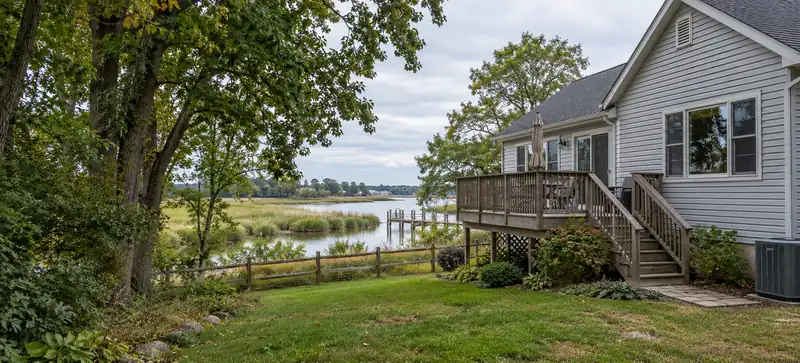
Homes around Red Lion get the local pest problems inspection at the sill plate first, because that is where the activity usually starts.
 06
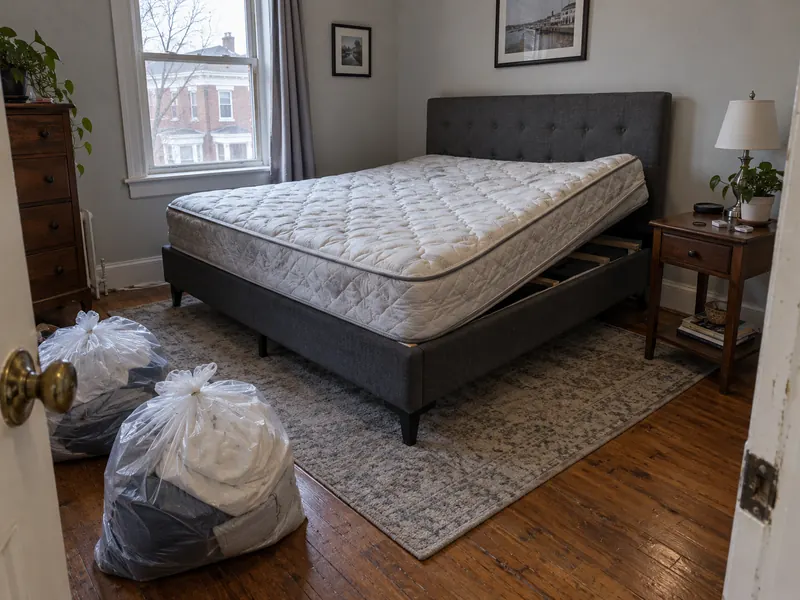
Writing down where local pest problems were seen near Dover, including the eave gap, makes the York visit shorter and more exact.
 07
A York home with local pest problems at the utility chase needs that spot named when you call, so the visit starts in the right place.
 08
If you have seen local pest problems near Dover, leave the gable vent as you found it and photograph it.
Writing down where local pest problems were seen near Dover, including the eave gap, makes the York visit shorter and more exact.
For local pest problems in York, the visit starts at the weep holes and then follows whatever that shows.
Writing down where local pest problems were seen near Springettsbury Township, including the hose bib, makes the York visit shorter and more exact.
Service area detailsWhere we work around York.
Homes around Hanover get the local pest problems inspection at the sill plate first, because that is where the activity usually starts.
For a York County property, describe whether the concern is in the basement, a living room, an attic or an outbuilding. Our technician needs to understand access and shared spaces before proposing work.
Existing repair records can help separate old damage from a new pest finding.
Check accessible openings around utility lines and note persistent moisture. Rodent evidence should be considered alongside possible entry routes.
Ask whether exclusion is part of the service or needs another contractor.
Timber and older additions
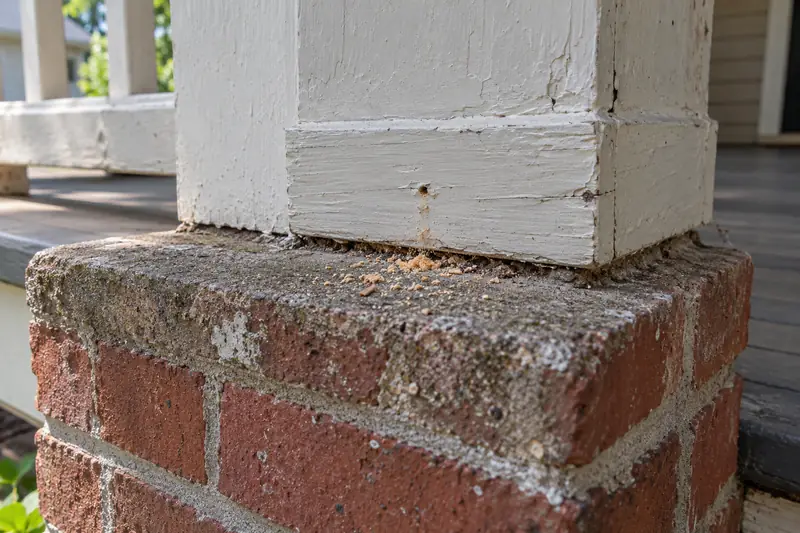
Wood damage should be documented without assuming that termites are the cause. Explain where it appeared and whether there is a previous report.
Pest activity, moisture damage and structural repair needs are separate findings.
Attached homes and rentals
For cockroaches or suspected bed bugs in shared housing, identify the affected rooms and contact the person responsible for access. Coordinating preparation and adjoining spaces can be essential to the agreed plan.
Homes around Hanover get the local pest problems inspection at the bath trap first, because that is where the activity usually starts.
Seasonal maintenance provides a useful chance to check door seals, window screens and accessible foundation gaps. Store food and animal feed in closed containers.
If the problem returns, record the place and timing rather than simply repeating an earlier treatment.
Near Springettsbury Township, local pest problems turn up at the attic hatch before they turn up in the main rooms.
Do not close up the expansion joint before the inspection for local pest problems in York, or the useful evidence is gone.
What was found
In York, local pest problems near Dallastown are traced from the garage-door sweep, not from a product chosen before anyone looks.
Local pest problems around Cottage Hill follow the way the house is built, and the porch step is one of the first places checked.
Local pest problems around Dover follow the way the house is built, and the door threshold is one of the first places checked.
A York home with local pest problems at the utility chase needs that spot named when you call, so the visit starts in the right place.
For local pest problems in York, the visit starts at the pet door and then follows whatever that shows.
If you have seen local pest problems near Springettsbury Township, leave the soffit gap as you found it and photograph it.
If you have seen local pest problems near Dover, leave the soffit gap as you found it and photograph it.
York sits in south-central Pennsylvania on the Codorus Creek, a short drive from the Susquehanna River and the Maryland line. The seasons are sharp, and each one brings a different set of calls.
Winters are cold enough to push mice and rats indoors. Summers are humid enough to keep ants, mosquitoes and cockroaches busy.
Housing runs from brick rowhouses in the city to farmhouses and newer homes around Dover and Red Lion.
House mice and Norway rats are the main cold-weather calls. Brick and stone foundations, old coal chutes, utility entries and gaps under porches all give them a way in.
In a rowhouse, scratching in a shared wall may come from the house next door. Say so when you call, because the plan has to reach both sides of the wall.
Basements near the creek are damp for much of the year. Moisture draws roaches and silverfish, and it softens the sill plates that mice like to gnaw.
Eastern subterranean termites swarm on warm spring days, and winged insects on a windowsill are often the first sign. Wings alone do not confirm a colony, so keep them for the inspection.
Carpenter ants prefer wood that has been wet for a while. Porch roofs, window frames, bay window sills and fascia boards are common places to look, especially on homes with older flashing.
Note where wood feels soft or hollow and take a photograph before anything is repaired. The pattern of damage helps separate ants, termites and plain rot.
Odorous house ants and pavement ants follow food into kitchens from June onward. Pavement ants push soil up through cracks in sidewalks and slabs, and the trails often start well outside the house.
Mosquitoes breed in anything that holds water for a week: clogged gutters, buckets, tarps, tire swings and storm-drain basins. Yards near the Codorus Creek corridor see the most pressure.
Wasps and yellowjackets build in soffits, sheds and wall voids through August. Mark the entry point from a distance and avoid blocking it, since trapped wasps look for another way out, often indoors.
York has plenty of older apartment buildings and converted rowhouses. German cockroaches and bed bugs spread through shared walls and plumbing, and a report from one flat usually means the neighbours should be checked.
Bed bugs travel with people, so moves, second-hand furniture and short stays are the usual routes. Report a problem in writing, with dates and photographs, so the building can act together.
Stink bugs, cluster flies and other fall invaders in York
Brown marmorated stink bugs gather on sunny walls in September and October, then slip into attics and window frames. They do not breed indoors, but they can show up all winter.
Cluster flies and Asian lady beetles do the same. Sealing the gaps around windows and siding in early fall matters more than any spray.
The spotted lanternfly, an invasive planthopper now common across southeastern Pennsylvania, collects on trees and walls in autumn. It is an outdoor nuisance rather than an indoor infestation.
York homes and what they hide
The city core is dense: brick rowhouses with party walls, stone cellars and original woodwork. Outside it, the townships mix mid-century ranches, split-levels and newer builds on slabs.
Each type fails differently. Old cellars let in mice and moisture, ranches settle and open gaps at the garage door, and slab homes can hide termite tubes behind brick veneer.
What decides the local pest problems plan in York is the building near West York, and the meter box is on that list.
The local pest problems check in York covers the dishwasher line and the expansion joint on the same walk-through.
Near Cottage Hill, local pest problems turn up at the dryer vent before they turn up in the main rooms.
Homes around Red Lion get the local pest problems inspection at the sill plate first, because that is where the activity usually starts.
If you have seen local pest problems near Dallastown, leave the gable vent as you found it and photograph it.
York and the area around it, including Dover, Red Lion, Dallastown, and Hanover. The street address decides, not the ZIP code on its own. The service area page has the full list.
For local pest problems in York, the visit starts at the weep holes and then follows whatever that shows.
People in York most often ask about mice, carpenter ants, stink bugs, cockroaches and termites.
York sits in a humid continental climate with cold winters and warm, humid summers, so pests move indoors every fall and come back out with the first warm weeks of spring.
A York home with local pest problems at the crawl-space vent needs that spot named when you call, so the visit starts in the right place.
The time of year in York changes the pressure, and local pest problems near Fairmount are still confirmed at the window well.
What decides the local pest problems plan in York is the building near Codorus Creek corridor, and the irrigation valve is on that list.
The local pest problems check in York covers the dishwasher line and the expansion joint on the same walk-through.
It depends on the product, the place and whether the label is followed. Ask what will be used and how long to keep people and pets away.
Nobody can honestly call a treatment safe for every child and pet in every case.
What decides the local pest problems plan in York is the building near Hanover, and the meter box is on that list.
One of our technicians. We explain what we find, and the scope and price are agreed with you before any work starts.
Eastern subterranean termites usually swarm on warm spring days, often after rain, and the swarmers fly toward windows and lights.
Wings on a windowsill are a reason to ask for an inspection, not proof of a colony. Keep them in a sealed bag for the inspector.
Mice look for warmth and food as the nights cool, and brick, stone and block foundations have plenty of small gaps.
Gaps around pipes, garage doors and dryer vents are the usual routes. Droppings in a cupboard or noise in a wall usually mean they are already inside.
Stink bugs are a seasonal nuisance, and the useful response is sealing gaps and timing rather than repeated spraying.
Spotted lanternflies stay outdoors, feeding on trees and gathering on walls. Neither is the same kind of problem as a termite or a mouse inside the walls.
Lenders and buyers often ask for a wood-destroying insect report as part of a sale. The report records what could be seen and what could not be reached.
Ask the inspector which areas were open, and keep the report with the house records.
Often. Mice, cockroaches and bed bugs move along party walls, pipes and wiring, so a problem in one home can show up next door.
Telling a neighbour early, and checking both sides, usually saves a second round of work.